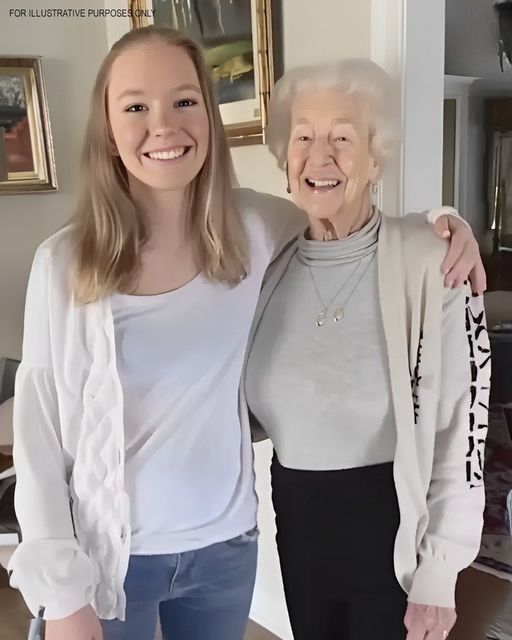
My grandmother was clever—mischievous in the best way. In her final year, she began pretending she couldn’t hear well. At first I was worried, but eventually I realized she was testing the family. She wanted to know who genuinely cared about her and who only cared about her money.
Unfortunately, she passed away earlier this year. I was heartbroken; she had always been my biggest supporter and the one person who never sugar-coated the truth. After the funeral, the family was summoned to her lawyer’s office for the reading of the will.
There were seven envelopes and seven small boxes laid out on the long conference table. My mother, two aunts, two uncles, and cousins all filed in with stiff faces and forced condolences. Greed practically radiated off a few of them—particularly Uncle Ralph and Aunt Lena, who had openly talked about getting Grandma’s house someday.
“Everyone take your seat,” the lawyer said. Then he looked directly at me. “Your grandmother left you something different. Please wait before opening yours.”
Everyone else tore into their envelopes and boxes. Uncle Ralph was the first to react—his face fell into pure outrage. Inside his box was one old, scratched-up hearing aid.
“What is this?” he snapped. “A joke?”
No one laughed. But I immediately understood. Grandma heard everything he had ever said—every complaint about her being a burden, every comment about how he’d “finally get the house soon.”
One by one, the others opened their items:
• a half-empty perfume bottle
• a cracked flip phone
• a tiny piggy bank
• a blank notebook
• a worn dictionary
All symbolic. All slightly insulting. All perfectly on-brand for Grandma.
My mom, however, received a Polaroid of the two of them when she was a toddler—matching sun hats, beaming smiles. She held it like treasure.
The room simmered with confusion and annoyance until the lawyer lifted a letter written by Grandma herself:
“If you’re disappointed with what I left you, remember—this reflects how you treated me when you thought I couldn’t hear. Your real inheritance is the reflection you see in the mirror.”
You could practically hear Uncle Ralph’s blood pressure rising.
Then the lawyer handed me a single large sealed envelope. Inside was a handwritten letter addressed to me:
“My dearest Rose, you loved me without conditions. You helped me, listened to me, and never mocked me. Because of that, I entrust everything I own to you. The house, my savings—use it wisely, and from your heart.”
My throat tightened as I whispered to the room:
“She left me everything.”
Chaos erupted. Uncle Ralph threatened to contest the will, Aunt Lena ranted about “favoritism,” and the cousins argued about fairness. Meanwhile, my mom hugged me and said, “She always believed in you.”
Later that day, I stood alone in Grandma’s house. It smelled like lavender and memories. I knew she wasn’t rewarding me with money—she was rewarding me with trust.
Her final lesson was clear:
Listen carefully. Love honestly. And let people reveal who they truly are.