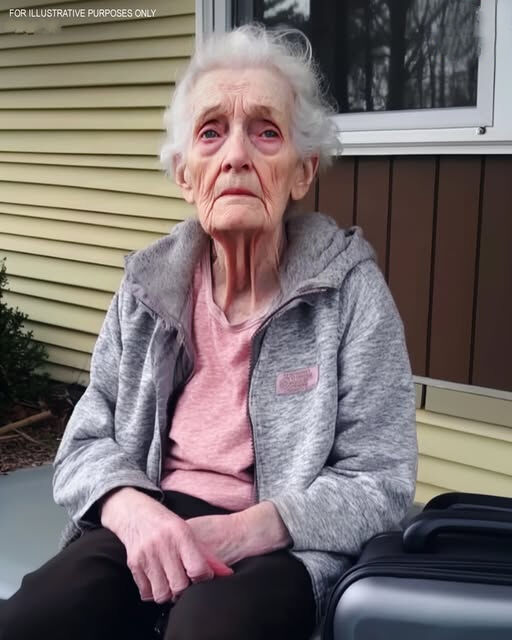
I raised my grandson, Daniel, as if he were my own child. When his parents moved abroad, I was the one who tucked him in at night, prepared his school lunches, and cheered at every game. My house became his home, just as it had been mine for forty years. After my husband passed, I imagined spending my final years quietly, with Daniel by my side. And for a time, life felt steady and full.
Then I got sick.
It began with fatigue and confusion, followed by hospital stays and endless paperwork. Daniel stepped in—cooking meals, handling finances—acting like a responsible adult. One evening, he made a suggestion that, in my fragile state, didn’t seem dangerous.
“Grandma, let’s put the house in my name. If anything happens, it’ll be easier,” he said gently. “I’ll take care of everything.”
I trusted him. Exhausted and overwhelmed, I signed.
Months later, I recovered. Life returned to normal—until one night everything changed.
“Grandma, you need to leave,” Daniel said flatly, as if discussing the weather. “Chloe’s moving in. We need more space. You can find a shelter or something.”
My heart stopped. “You promised to take care of me.”
He shrugged. “You’re old. You don’t need a big house. Things change.”
Before I could process his cruelty, he packed my belongings into a single suitcase, opened the door, and shut me out of my own home.
Standing on the porch, tears burning in my eyes, anger kept me upright. I still owned my old car—at least he couldn’t take that from me—so I drove with no destination in mind until I reached a small diner. Over coffee, I reminded myself I wasn’t helpless. I called Allison, our longtime family lawyer, and told her everything.
After listening, she asked the one question that changed everything:
“Do you remember establishing a life estate? Something protecting your right to remain in the home?”
My mind flashed back to when my husband and I updated our deed after his heart attack. We insisted that no matter what, I would always have the right to stay in the house.
“If that clause remained in place,” Allison said, “then Daniel may own the house—but he cannot evict you. You still have the legal right to live there for the rest of your life.”
I stayed in a cheap motel that night, clutching onto that glimmer of hope.
The next morning, Allison confirmed it: my life estate was still valid. Daniel had no authority to remove me. And if he tried again, he could be charged with wrongful eviction and elder abuse.
Two days later, I returned to the home I’d poured my life into. Daniel opened the door, stunned to see me. When he tried to protest, I handed him the official legal notice.
“I’m not leaving,” I said calmly. “This is my home.”
Within a week, he and Chloe packed their things and left—without apology.
The house felt strangely quiet after they were gone. The betrayal still stings; love doesn’t vanish just because trust breaks. But I won’t let his choices destroy me.
I built a life here. I will finish it here—on my terms.
Sometimes, the power others think they have over you disappears the moment you remember your own.